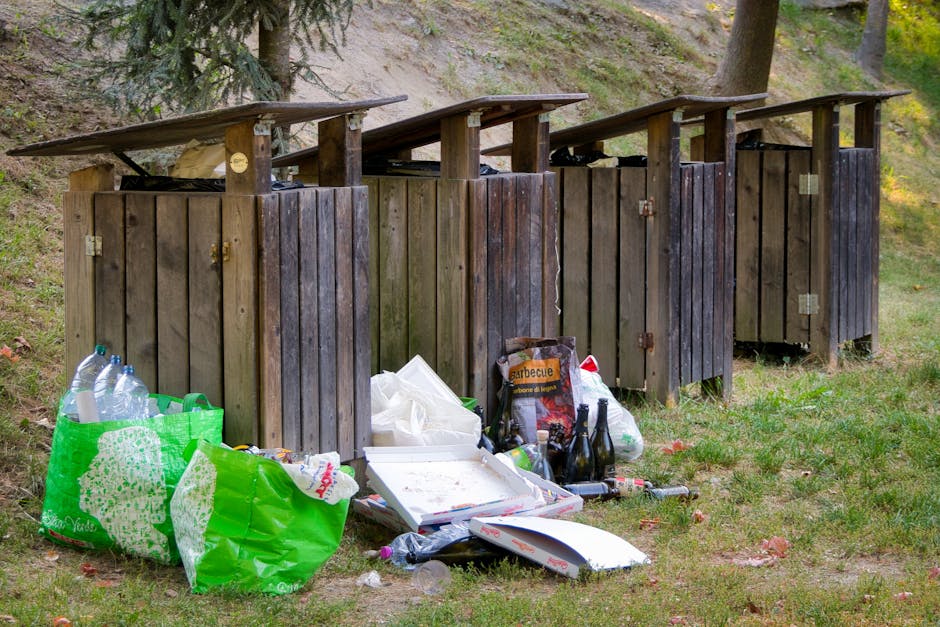
Common problems with bulky rubbish collection in SE11

If you have ever tried to get rid of an old sofa, a broken wardrobe, or a pile of awkward household items in SE11, you will know the process can be a bit more complicated than it looks at first glance. Bulky rubbish collection in SE11 sounds straightforward, but in real life it often runs into timing issues, access problems, item restrictions, and confusion about what can actually be collected. That is where frustration starts.
This guide looks at the most common problems with bulky rubbish collection in SE11, why they happen, how the process usually works, and what you can do to make things easier. Whether you are clearing a flat, refreshing a rented property, or dealing with a one-off furniture disposal job, a little preparation goes a long way.
Why Common problems with bulky rubbish collection in SE11 Matters
Bulky waste is not just "extra rubbish". It is usually large, heavy, awkward to carry, and often difficult to sort on the fly. In SE11, where homes can range from mansion blocks and purpose-built flats to older properties with narrow staircases and tight communal areas, the practical challenges can stack up quickly. That is exactly why bulky rubbish collection needs a bit of thought.
When it goes wrong, the impact is usually immediate. Items may sit in hallways, block access routes, irritate neighbours, or create a last-minute scramble before a move-out or refurb. In a busy London area, a missed collection or a failed access attempt can throw off an entire day. And let's face it, nobody wants a sofa marooned in the hallway for three more days while everyone argues about who was meant to measure the lift.
There is also a sustainability angle. The more carefully bulky items are handled, the better the chance that reusable furniture, metal parts, appliances, and other suitable materials can be diverted from disposal. For that reason, many households and businesses in SE11 look not only for speed, but for a clear and responsible approach. If that matters to you too, the service information on recycling and sustainability is a useful place to start.
Expert summary: Most problems with bulky rubbish collection in SE11 come down to planning, access, and item handling. If those three are sorted early, the rest usually feels much easier.
How Common problems with bulky rubbish collection in SE11 Works
At a basic level, bulky rubbish collection involves identifying the items, confirming what can be taken, arranging a collection window, and moving the waste from the property to a licensed disposal route. That sounds simple. In practice, each stage has its own small traps.
First, the items need to be described clearly. A "few bits of furniture" can mean anything from a bedside table to a three-seat sofa and a heavy wardrobe. The more precise you are, the better the quote and the smoother the job. A collection team may also need to know whether items are dismantled, whether there is lift access, and if there are any parking or loading restrictions nearby.
Second, not everything counts as ordinary bulky waste. Some items may need separate handling, such as white goods, confidential material, or anything that falls into a hazardous category. For example, a fridge can be more than just an appliance, and broken items can raise manual handling or safety concerns. If you are unsure what belongs together, pages like fridge and appliance removal and hazardous waste disposal give a clearer picture of specialist handling.
Third, the collection itself depends on access. In SE11, a job can be perfectly straightforward on paper and still fail because the van cannot stop safely, the lift is too small, or the item will not fit through a corridor without dismantling. This is why many residents who need a larger, more complete clearance look at services such as flat clearance, home clearance, or house clearance rather than trying to solve everything item by item.
And yes, sometimes the job is not the rubbish itself. It is the stairs. Always the stairs.
Key Benefits and Practical Advantages
When bulky rubbish collection is handled properly, the benefits are bigger than simply getting items out of the way.
- Less disruption: A planned collection reduces hallway clutter, blocked access, and awkward last-minute lifting.
- Safer handling: Heavy items are moved by people used to dealing with weight, corners, and confined spaces.
- Better time management: You avoid multiple trips, skip loading, and the kind of weekend that disappears into old furniture.
- Cleaner property handovers: This matters for tenants, landlords, agents, and anyone trying to get a room back into use quickly.
- Improved sorting: Some items can be separated for reuse, recycling, or specialist treatment.
- Reduced stress: There is real value in knowing the job is booked, understood, and moving in one direction.
For commercial settings, the benefits are similar but the stakes are often higher. An office or workshop may need quicker turnaround, less disruption to staff, and more careful handling of confidential or mixed waste. In those situations, office clearance or business waste removal may be more suitable than a one-off ad hoc lift-and-carry job.
Who This Is For and When It Makes Sense
Bulky rubbish collection in SE11 is useful for a surprisingly wide range of people. You might only need it once in a while, but when you do, it tends to be urgent.
It makes sense if you are:
- moving out of a flat and need unwanted furniture gone quickly
- clearing a spare room, loft, garage, or storage area
- replacing a sofa, mattress, wardrobe, or appliance
- preparing a rental property for new tenants
- managing an office tidy-up or small business refit
- dealing with mixed household clutter after a long period of accumulation
- trying to avoid an unsafe pile-up of items in communal areas
Different jobs need different approaches. A single mattress is one thing. A full room of furniture is another. If the items are mostly household pieces, the relevant pages on furniture clearance, mattress and sofa disposal, and furniture disposal can help you match the service to the waste.
In our experience, people often wait too long because they think the job will be quick once they finally book. Sometimes it is. Sometimes it is not. Best not to leave it to luck.
Step-by-Step Guidance
If you want bulky rubbish collection in SE11 to go smoothly, work through the process in order. A tidy sequence prevents a lot of avoidable friction.
- List every item clearly. Include furniture, appliances, mattresses, boxes, and anything else that needs to go.
- Separate special items. Keep aside anything that may need specialist handling, like fridges, confidential papers, or potentially hazardous materials.
- Check access before booking. Measure doorways if necessary, note lift size, and think about where a vehicle could stop safely.
- Decide what needs dismantling. Sometimes a wardrobe or bed frame should be taken apart first; sometimes it should be done by the clearance team.
- Choose the right service type. For a room, consider flat or home clearance. For a garage, loft, or garden, look at the matching clearance service.
- Ask about sorting and disposal routes. Good operators will explain what happens to reusable items, recyclables, and non-recyclables.
- Prepare the space. Clear smaller objects, protect floors if needed, and make the route as easy as possible.
- Confirm timing and payment details. No one likes surprises on collection day, especially not the ones involving a blocked entrance or an unclear invoice.
A small but useful detail: put the items in one place if you can, but do not block escape routes or communal access. That bit matters more than people think. A few minutes of sensible stacking can save a lot of heavy lifting and awkward backtracking.
Expert Tips for Better Results
Here is the stuff that tends to separate a smooth collection from a mildly chaotic one.
- Be precise about quantities. "One sofa, one armchair, two drawers, three bags" is much more helpful than "some stuff."
- Photograph awkward items. A quick photo can help the team understand size, condition, and access issues before arrival.
- Check for hidden weight. Old cabinets, filing units, and wet garden items can be much heavier than they look.
- Keep mixed waste separate where possible. It makes sorting faster and helps avoid contamination.
- Tell the team about stairs, parking, and entry codes. Small details prevent big delays. Really.
- Use the right clearance category. For example, a loft full of mixed household items is better matched with loft clearance than a generic one-item pick-up.
- Think about reuse first. If items are clean and serviceable, they may be more suitable for furniture clearance or disposal planning than simply throwing everything into a mixed load.
Good bulky rubbish collection is not just about removal. It is about reducing friction, reducing risk, and making the whole job feel manageable instead of messy.
One more thing: if you are dealing with a property reset after building work, the waste may be mixed with rubble, packaging, or offcuts. That is where builders waste clearance becomes the more sensible fit.
Common Mistakes to Avoid
Most problems with bulky rubbish collection in SE11 are not dramatic. They are usually ordinary, preventable mistakes that snowball.
- Underestimating access issues. This is the big one. A narrow stairwell, a tight corner, or a tiny lift can turn a quick job into a headache.
- Leaving booking details vague. If the team does not know what is there, they cannot plan properly.
- Mixing regular bulky waste with restricted items. Some items need special handling. Do not just hope they will be fine together.
- Forgetting parking or loading constraints. In London, this can create delays very quickly.
- Stacking items unsafely. Precarious piles are a bad idea. They can tip, split, or block the route out.
- Waiting until the last minute. If you are moving, renovating, or ending a tenancy, delay makes everything more expensive in stress if not in money.
There is also the classic mistake of assuming every job needs the same solution. It does not. A garage full of clutter, a single sofa, and a whole flat packed with mixed items are three different problems, even if they all look like "rubbish" from a distance.
Tools, Resources and Recommendations
You do not need fancy equipment to prepare for bulky waste collection, but a few simple tools help a lot.
- Tape measure: Useful for doorways, hallways, lifts, and larger items.
- Phone camera: Handy for photos of items, access points, or any damage already present.
- Marker pen and labels: Great if you want to separate what is going, what is staying, and what should be handled specially.
- Blanket or floor protection: Helpful in older properties or where items need to be moved over delicate surfaces.
- Basic packing materials: Tape, bags, and boxes can help sort small loose items before a collection.
If you are comparing different ways to deal with bulky waste, these pages can help you narrow things down:
- waste removal for mixed disposal needs
- garage clearance for storage-heavy spaces
- garden clearance for outdoor waste and green clutter
- house clearance for larger domestic jobs
- pricing and quotes if you want to understand how estimates are usually put together
For many people, the right choice is not the "biggest" service. It is the most honest one. That sounds obvious, but it really helps avoid paying for more than you need.
Law, Compliance, Standards, or Best Practice
When bulky rubbish is collected, the responsibility does not stop at lifting and loading. In the UK, waste should be handled through lawful and responsible routes, and you should be careful about who removes it and where it goes. You do not need to become a compliance expert, but you should expect a professional standard.
Best practice usually means the following:
- items are moved safely, with attention to manual handling and property protection
- waste is separated where possible for recycling or reuse
- special items are treated differently from ordinary bulky waste
- the collection team explains what can and cannot be taken
- the service is transparent about terms, payment, and what happens if access changes
If you are arranging a collection that includes items such as confidential papers, sensitive records, or mixed business waste, it is worth looking at confidential shredding and business waste removal rather than assuming a general bulky collection will be enough.
Health and safety is also a practical concern. Heavy lifting, sharp edges, broken furniture, and awkward appliance casings can all create avoidable hazards. That is why clear procedures and insured, sensible working methods matter. If you want to understand the operator's approach, their health and safety policy and insurance and safety information are worth checking.
Finally, disposal is not just about removal; it is about what happens after removal. Responsible recycling matters because bulky waste can contain wood, metal, textiles, plastics, and electrical parts. A decent service will keep that front and centre rather than treating everything as one anonymous load.
Options, Methods, or Comparison Table
There is more than one way to clear bulky rubbish in SE11. The right option depends on the volume, type of items, and how much effort you want to put in yourself.
| Method | Best for | Main drawback | Practical note |
|---|---|---|---|
| Bulky rubbish collection | Single or mixed heavy items from homes or flats | Needs clear access and good item description | Often the simplest choice for one-off clear-outs |
| Flat or house clearance | Multiple rooms, complete resets, end-of-tenancy jobs | Can be more than you need for one item | Useful when the job has grown bigger than expected |
| Furniture-specific disposal | Sofas, beds, wardrobes, tables, chairs | Not ideal if waste is mixed with other materials | Helps when the job is mostly household furniture |
| Skip-based disposal | Renovation waste, DIY debris, ongoing projects | Requires space and correct loading decisions | Read what can go in a skip before choosing this route |
| Specialist item removal | Fridges, appliances, hazardous or sensitive waste | May need separate handling and timing | Best when safety or compliance is a factor |
If you are unsure, ask a simple question: is this a one-off bulky item job, or is it really a wider clearance problem? That one question saves a lot of guesswork.
Case Study or Real-World Example
Here is a realistic SE11 scenario. A tenant is leaving a top-floor flat with a broken sofa, a mattress, a small chest of drawers, and several boxes of mixed clutter. The building has a narrow stairwell, a lift that is just about usable, and limited stopping space outside. Nothing dramatic, but enough to make a rushed lift-out annoying.
At first, the items are described loosely as "large rubbish and furniture". That leads to uncertainty about access, the type of van needed, and whether the sofa can be moved in one piece. The tenant then adds that the mattress has been stored in a dry room but the sofa is split at one arm, and the drawers contain small loose items. Suddenly the picture changes.
The better approach is simple:
- group the items and photograph them
- clear loose contents from drawers and boxes
- confirm the lift dimensions and stair access
- ask whether the sofa should stay assembled or be dismantled
- move the items to an accessible point without blocking the corridor
That little bit of preparation makes the collection much smoother. No drama, no guessing, no "we thought it would be fine" conversation at the door. And to be fair, that last conversation is rarely anyone's favourite part of the day.
For larger domestic clear-outs, a wider service such as flat clearance or home clearance may be the better choice because it covers the whole situation rather than just one item class.
Practical Checklist
Use this before your collection day. It is basic, but it saves trouble.
- Identify every bulky item that needs to go
- Separate ordinary items from specialist waste
- Check doors, stairs, lifts, and outdoor access
- Confirm whether items need dismantling
- Remove personal belongings from drawers, cupboards, and bags
- Make parking or entry details clear in advance
- Ask about recycling, reuse, and disposal routes
- Protect floors or walls where movement is tight
- Keep hallways and exits clear
- Review the collection terms before the day arrives
If your job includes mattresses, sofas, appliances, or mixed furniture, it is worth matching the item type to the right service page before you book. Small detail, big difference.
Get a free quote today and see how much you can save.
Conclusion
The common problems with bulky rubbish collection in SE11 are usually not mysterious. They come from the same few places: poor item details, awkward access, mixed waste, and not enough planning. Once you know that, the job becomes easier to manage. You do not need to overcomplicate it; you just need to be clear about what is being removed and what the property can actually handle.
For smaller collections, a simple bulky item pick-up may be all you need. For larger domestic clear-outs, mixed waste, or specialist items, a more targeted service will usually save time and reduce stress. Either way, the goal is the same: a tidy property, fewer headaches, and a collection that feels straightforward rather than chaotic.
Take the time to prepare properly, and the whole thing tends to go better than expected. That little bit of order makes a real difference.
Frequently Asked Questions
What are the most common problems with bulky rubbish collection in SE11?
The most common issues are access problems, vague item descriptions, parking restrictions, and mixing ordinary bulky waste with items that need separate handling. Flats and communal buildings in SE11 can add another layer of difficulty because stairs, lifts, and corridors may be tight.
Can bulky rubbish be collected from a flat with no lift?
Yes, often it can, but the access details need to be clear. If the staircase is narrow or the item is oversized, the team may need to plan for dismantling or extra handling time. It is always better to mention the access setup before booking.
Do I need to separate furniture from other household waste?
Usually, yes. Grouping furniture separately makes it easier to assess the job and plan disposal routes. If the waste is mixed with smaller household items, it may be better described as a broader home or flat clearance.
What if I have a fridge or another appliance with my bulky waste?
Appliances can need different handling from ordinary furniture. Fridges, freezers, and similar items are often better dealt with through a specialist appliance removal route. That helps with safe handling and appropriate disposal.
How far in advance should I book bulky rubbish collection in SE11?
As early as you reasonably can, especially if you have a moving date or a tenancy deadline. The exact timing depends on the size of the job and how busy the schedule is, but leaving it to the final day is rarely a good idea.
Is it cheaper to clear bulky rubbish all at once?
Often, yes. A single organised collection is usually more efficient than several separate small requests. That said, the best value depends on what you have, how much there is, and whether specialist handling is needed.
What should I do before the collection team arrives?
Remove loose contents, check access routes, keep hallways clear, and make sure the items are easy to identify. If something is fragile, heavy, or unusually large, note it clearly. A few minutes of prep can save a lot of faff later.
Can bulky rubbish collection include mixed furniture and general waste?
Sometimes yes, but it depends on the exact mix. Mixed loads are common in real homes, yet some items may still need separate sorting. If the job includes a lot of furniture, a furniture-focused or home clearance service may be the better fit.
What if I am clearing a loft, garage, or garden as well?
Then a location-specific clearance service is often more practical. Loft clearance, garage clearance, and garden clearance are designed for those spaces, which means the collection can be planned around the kind of waste usually found there.
How do I know if something is hazardous or restricted?
If the item contains chemicals, sharp residues, pressurised parts, or unusual materials, treat it cautiously and ask before booking it in with normal bulky waste. When in doubt, separate it and request specialist advice rather than guessing.
What is the difference between bulky waste collection and a full clearance?
Bulky waste collection is usually better for specific large items. A full clearance is better when you need several rooms, a whole property, or a bigger mixed load cleared in one go. The right choice depends on how much clutter you are actually dealing with.
Where can I check more about pricing and payment?
The most useful place to start is the pricing and quotes information, along with the payment and security page. That helps you understand how the service is structured before you commit. Clear pricing makes everything less stressful, which is always welcome.