Health and Safety Policy — Flat Clearance Vauxhall
 Purpose: This health and safety policy sets out the approach, responsibilities and controls for the flat clearance operation offered by our flat clearance service in the rubbish removal sector. It is designed to protect staff, occupants and the public during all stages of flat removal, waste collection and property clearing. The policy applies to routine clear-outs, bulky waste removals and specialist clearances where additional hazards may be present.
Policy Statement
We commit to maintaining a safe working environment for all employees and contractors. The flat clearance company implements risk management and safe systems of work to ensure that rubbish removal activities are conducted with minimal risk. All personnel will receive appropriate training, equipment and supervision to carry out removals without endangering themselves or others. This policy is reviewed regularly and adjusted in response to operational changes or incidents.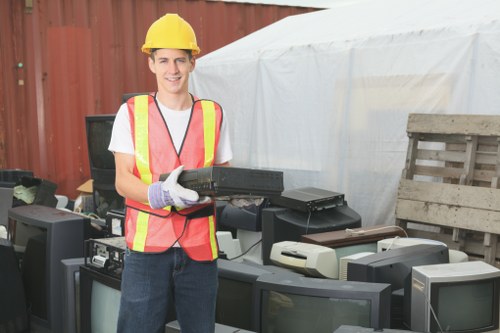 Scope: This policy covers waste and rubbish clearance from flats and apartments, including removal of furniture, household waste, garden debris and non-hazardous commercial items. It includes transportation, loading and unloading at collection points, and short-term storage related to the clearance service area. The policy does not serve as legal advice but outlines reasonable precautions and standards our flat clearances teams will follow.
Roles and Responsibilities
All staff must understand their duties. Management will ensure adequate resourcing, provide training and maintain equipment. Supervisors are responsible for site assessment and safe work planning. Employees must follow instructions, use personal protective equipment (PPE) and report hazards. Visitors and third parties must be kept clear of working zones where possible.Key responsibilities include:
- Conducting pre-work risk assessments for each flat clearance or rubbish collection job;
- Ensuring correct manual handling techniques and mechanical aids are used where needed;
- Identifying and segregating hazardous items (e.g., asbestos-suspect materials, chemicals, sharps) and arranging specialist disposal where necessary;
- Maintaining vehicles, lifting equipment and PPE in safe, serviceable condition;
- Recording incidents and near-misses to inform continuous improvement.
 Training is central to safety. All operatives undertake induction training that covers physical safety, manual handling, safe loading, traffic awareness and handling of potentially hazardous waste. Refresher training is provided periodically or when new procedures are introduced. Competency checks are carried out before staff operate specialist equipment or undertake independent collections.
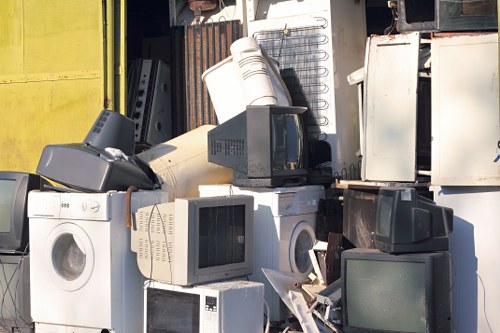
Hazard Controls and Safe Work Practices
Risk assessments identify common hazards such as slips, trips and falls, manual handling injuries, exposure to biohazards and vehicle incidents. Controls include correct footwear, gloves, high-visibility clothing, and using trolleys or hoists for heavy items. Work areas are kept tidy and access routes are maintained. When hazardous materials are suspected, operations stop and specialist contractors or waste authorities are engaged.Vehicle and equipment safety: Vehicles used for rubbish removal are maintained under a planned maintenance schedule, fitted with appropriate load restraints and inspected daily. Drivers follow safe loading patterns and comply with road safety regulations. Equipment and tools are stored securely when not in use to prevent accidental injury.
Emergency Preparedness and Incident Management
We maintain clear procedures for dealing with incidents, including first aid, fire response and spill control. All sites have a nominated first aider and access to first aid kits. Incidents are reported and investigated promptly to identify root causes and prevent recurrence. Records of training, risk assessments and incident investigations are kept to demonstrate due diligence and continual improvement.The policy supports a culture of safety and accountability for the flat clearances business and rubbish removal teams. Regular toolbox talks reinforce safe behaviours and provide opportunities to discuss near-misses and operational challenges. Staff are encouraged to contribute suggestions for safer methods and to stop work where imminent danger is identified.
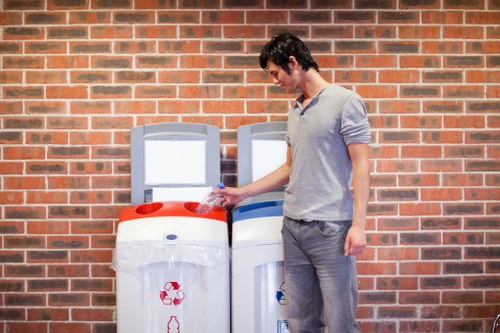
Environmental and waste segregation considerations: Waste streams are segregated on-site where practical to maximise recycling and reduce landfill. Recyclables, bulky items and mixed waste are separated in accordance with best practice for waste removal services. Hazardous or regulated items are recorded and handled via approved disposal routes to meet environmental and public safety expectations.
Monitoring, review and continual improvement are built into the management system. Management will audit operations, review incidents and update this health and safety policy periodically. All employees are expected to help maintain high standards of safety and to report opportunities for improvement.
This statement summarises our commitment to safe flat clearance operations and robust rubbish removal practices. It reflects the responsibilities of management and staff to deliver clearances efficiently while protecting health, safety and the environment. The policy is communicated to all relevant personnel and forms part of our operational standards for every clearance job.
Signed off by senior management, this policy remains a live document and will be updated as operational needs evolve. Adherence to these procedures helps ensure that flat clearance and rubbish removal activities are completed with minimal risk and maximum respect for property and people involved.
Review cycle: This policy is reviewed annually or after any significant incident or change to operations to ensure continued relevance and effectiveness in controlling risks associated with flat clearance and waste removal.